The Daily Psyop

Where Skepticism Meets Insight

Year: 2024

News

Bangladesh Prime Minister Sheikh Hasina resigns and flees country

Bangladesh Prime Minister Sheikh Hasina resigns and flees country

Sheikh Hasina, 76, and her sister took a helicopter and fled to a ‘safe shelter’, a day after nearly 100 people were killed during violent crackdown on protests

Rayhan Uddin

Mon, 08/05/2024 – 10:24

Bangladesh’s Prime Minister Sheikh Hasina speaks during a joint press statement with the Japanese Prime Minister at the latter’s official residence in Tokyo on 26 April 2023
(AFP/Kimimasa Mayama)

Bangladesh’s long-serving Prime Minister, Sheikh Hasina, resigned and fled the country on Monday, after protesters defied a military curfew and stormed her official residence.

Hasina, who had been in power for 15 years, fled the capital Dhaka along with her sister by a helicopter to India, the daily newspaper Prothom Alo reported, after weeks of violent crack downs on protesters left nearly 300 people dead.

Reuters reported that the two had left to seek “safe shelter” away from Hasina’s official residence.

There was no immediate public statement from Hasina’s office, but army chief Waker-Uz-Zaman said in a televised address that the prime minister had resigned and the army was in talks with the president to form an interim government.

Her resignation came a day after at least 95 people were killed and hundreds more wounded after a violent crackdown on protesters.

Nationwide protests began a month ago, after a Bangladesh High Court verdict that was set to reintroduce a quota system in the country, reserving 30 percent of government jobs for the descendants of veterans who fought in the country’s independence war in 1971. 

Mass protests against the quota system, led by students who believed the move to be anti-meritocratic, were violently cracked down on by authorities for several weeks. More than 200 protesters were killed last month. 

The deaths triggered further protests demanding accountability and the removal of Hasina, who has led the country since 2009. 

Hasina’s party Awami League, which was born out of Bangladesh’s independence movement, has strengthened its grip on power over the past decade and a half. The party won four successive general elections, the most recent of which, in January, was boycotted by the opposition.

The 76-year-old’s rule was marred by mass arrests of political opponents, the silencing of dissenting voices and accusations of human rights abuses. 
Read More
News

Libya says attempts to suspend operations at Sharara oil field are ‘political blackmail’

TRIPOLI: Libya’s internationally recognized government condemned on Sunday attempts to shut operations at the Sharara oil field, describing them as “political blackmail.”
In a statement, the government said it would not spare efforts to defend the interests of the Libyan people after local protesters partially shut down the field on Saturday.
The Sharara field, one of Libya’s largest production areas with a capacity of about 300,000 barrels per day, has been a frequent target of local protesters for various political reasons.


Read More
News

Turkiye’s Islamic defense consultancy founder dead aged 79

ANKARA: The founder of Turkiye’s defense consultancy SADAT, widely viewed as Ankara’s secret weapon in wars across North Africa and the Middle East, died on Sunday according to Turkish media.
Besides founding the private military outfit in 2012, 79-year-old Adnan Tanriverdi also served as a senior adviser to President Recep Tayyip Erdogan between 2016 and 2020.
A brigadier general whose service ended during a purge of Islamic influence from the traditionally secular military in 1996, Tanriverdi founded SADAT International Defense Consultancy in 2012.

Read More
News

How conflict and mass displacement in Sudan are exacting a devastating toll on civilians

DUBAI: Sudanese freelance photographer Faiz Abubakr has been documenting the crisis in his home country that began in April 2023, when violence broke out between rival military factions.

The Sudanese Armed Forces, led by Sudan’s de facto president, Abdel Fattah Al-Burhan, have been locked in battle with the paramilitary Rapid Support Forces, under Mohamed Hamdan Dagalo, commonly known as Hemedti, ever since.

Read More
News

Israel says no change in defense policy for ‘now’

JERUSALEM: Israel’s army said Sunday it had not changed “as of now” its policy for protecting civilians, as Iran and Hezbollah are expected to avenge killings blamed on Israel of two senior members.
“I would like to refer tonight to the various reports and rumors that we are on alert for the enemy’s response to the territory of the State of Israel,” military spokesman Rear Admiral Daniel Hagari said in an online briefing to journalists.

Read More
News

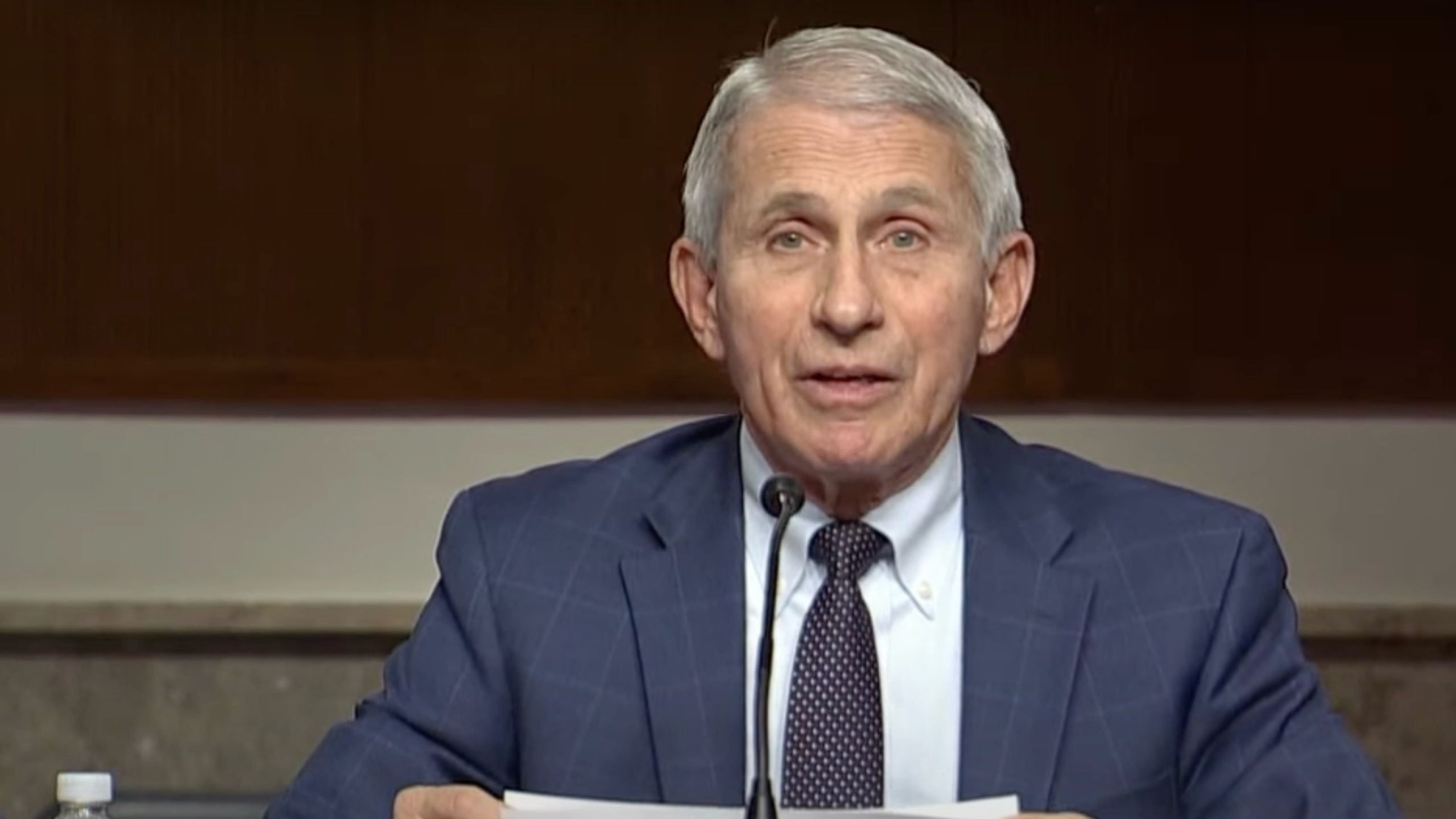
Court Slaps Down NIH for Unconstitutional Censorship

If you’re tired of censorship and dystopian threats against civil liberties, subscribe to Reclaim The Net.

The D.C. Circuit Court has declared that the National Institutes of Health (NIH) violated the Constitution by using keyword filters to censor comments on its social media platforms. The court’s decision stems from a dispute involving People for the Ethical Treatment of Animals (PETA), which argued that their comments were unfairly targeted by NIH’s filtering system on Facebook and Instagram. This case highlights ongoing tensions between government control and free speech on digital platforms.

We obtained a copy of the order for you here.

The crux of the court’s decision hinged on three critical findings regarding the nature of the forums in question. First, the NIH’s social media accounts were determined to be limited public forums, a classification that allows for certain restrictions but not indiscriminate censorship. Second, while the NIH has the authority to curtail off-topic discussions, the court found that the agency’s keyword filters overstepped this boundary by blocking on-topic and potentially valuable contributions, particularly those from PETA on posts related to animal testing.

In delineating the scope of acceptable moderation, the court noted that NIH’s social media guidelines were intended to keep discussions relevant to the posted content. However, it criticized the agency’s keyword filters as overly broad and lacking sensitivity to the context, which, according to the court, resulted in unconstitutional viewpoint discrimination. Notably, NIH’s keyword list included terms directly related to animal rights activism such as “animal,” “cruel,” and even specific hashtags like “#stopanimaltesting.”

The court was particularly scathing in its assessment of the keyword strategy, labeling the approach as not only unreasonable but also inflexible and disconnected from the nuances of real discussions. This misstep, according to the court, skewed the public discourse significantly against PETA’s viewpoint, disrupting a fair and balanced dialogue about NIH-funded activities.

The implications of this ruling are profound. The court’s decision could push government agencies to either significantly improve how they manage social media interactions or retreat from interactive engagements altogether, perhaps choosing to use their platforms solely for broadcasting information without allowing public feedback. This potential shift could have chilling effects on public discourse, particularly in digital spaces typically viewed as democratic venues for diverse opinions and debates.

The outcome is a clear victory for PETA, securing both the validation of their claims and a precedent that may deter future governmental overreach in social media moderation.

If you’re tired of censorship and dystopian threats against civil liberties, subscribe to Reclaim The Net.

The post Court Slaps Down NIH for Unconstitutional Censorship appeared first on Reclaim The Net.

Read More